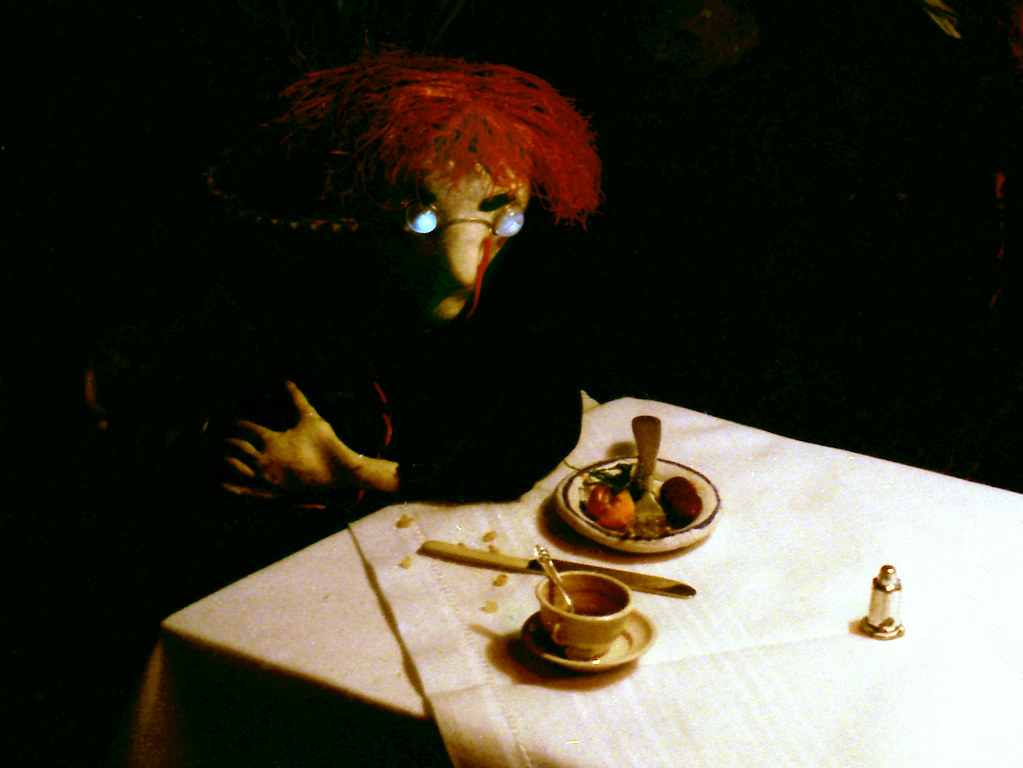
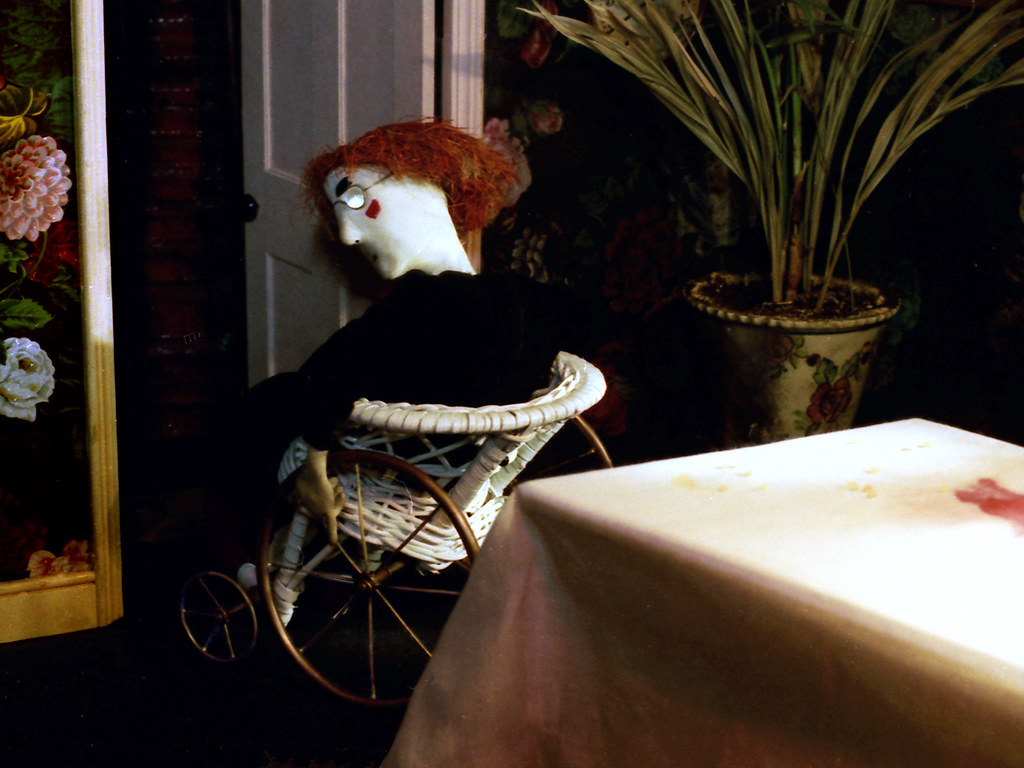
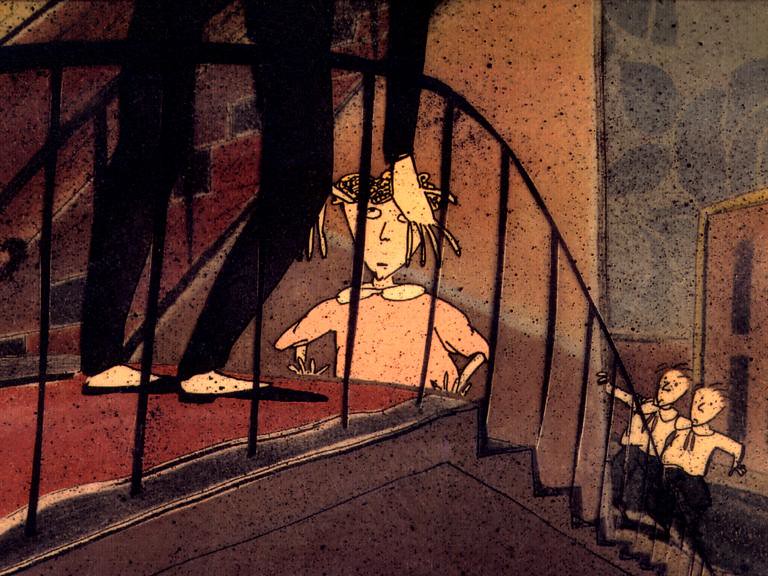
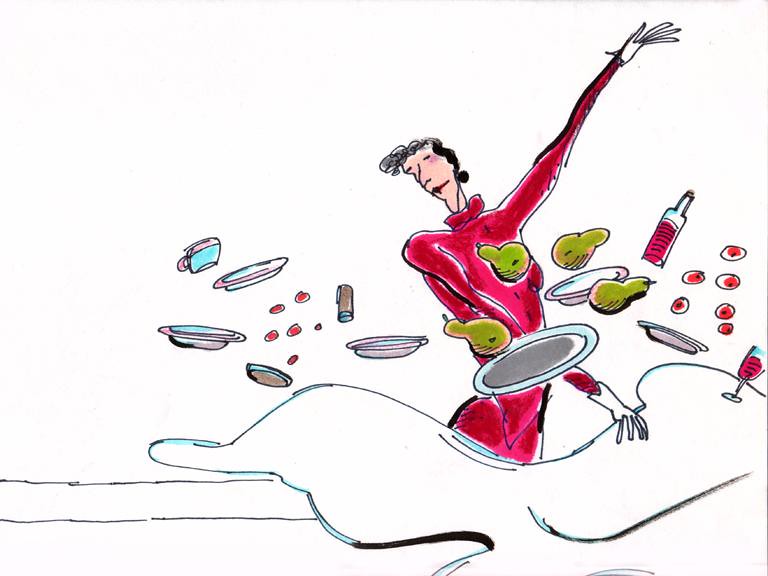
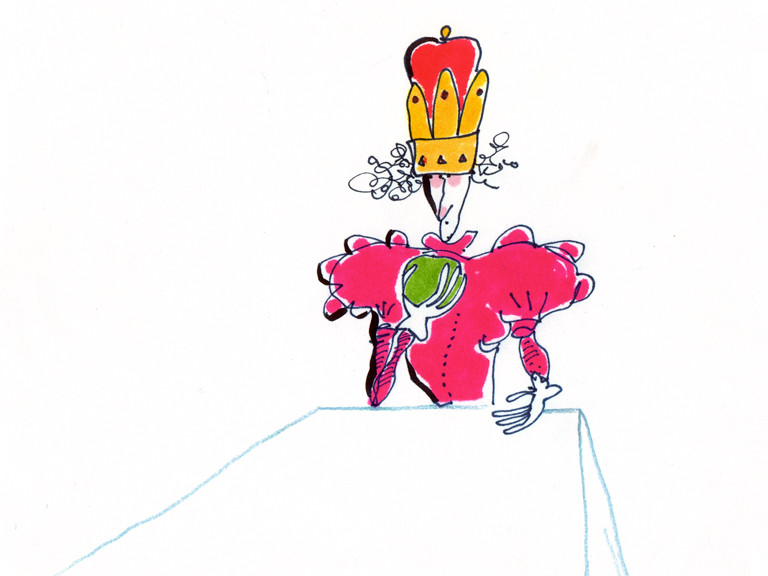
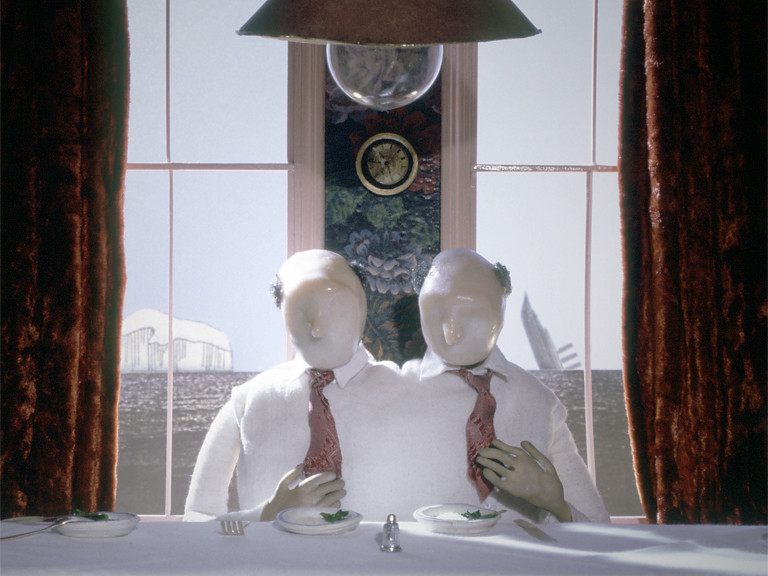
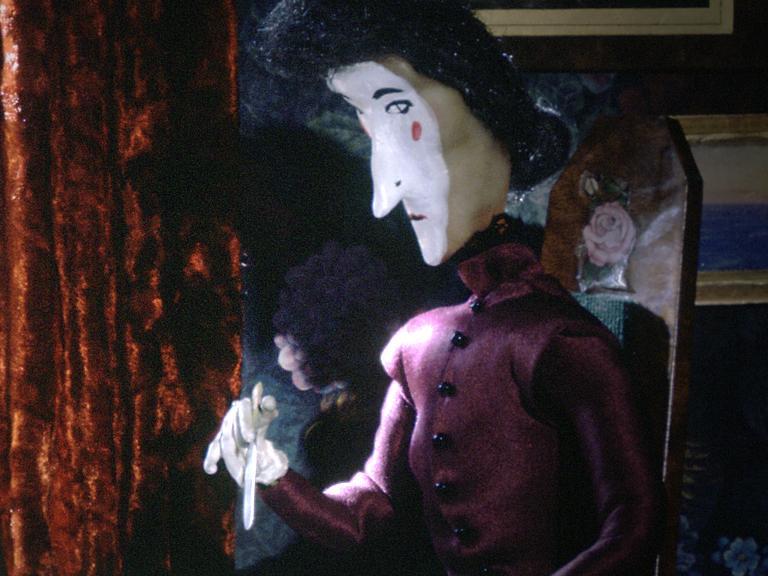
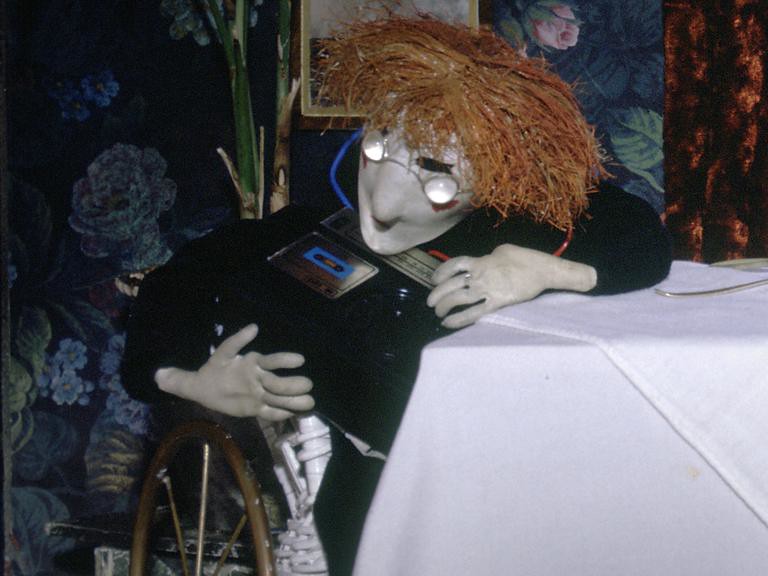
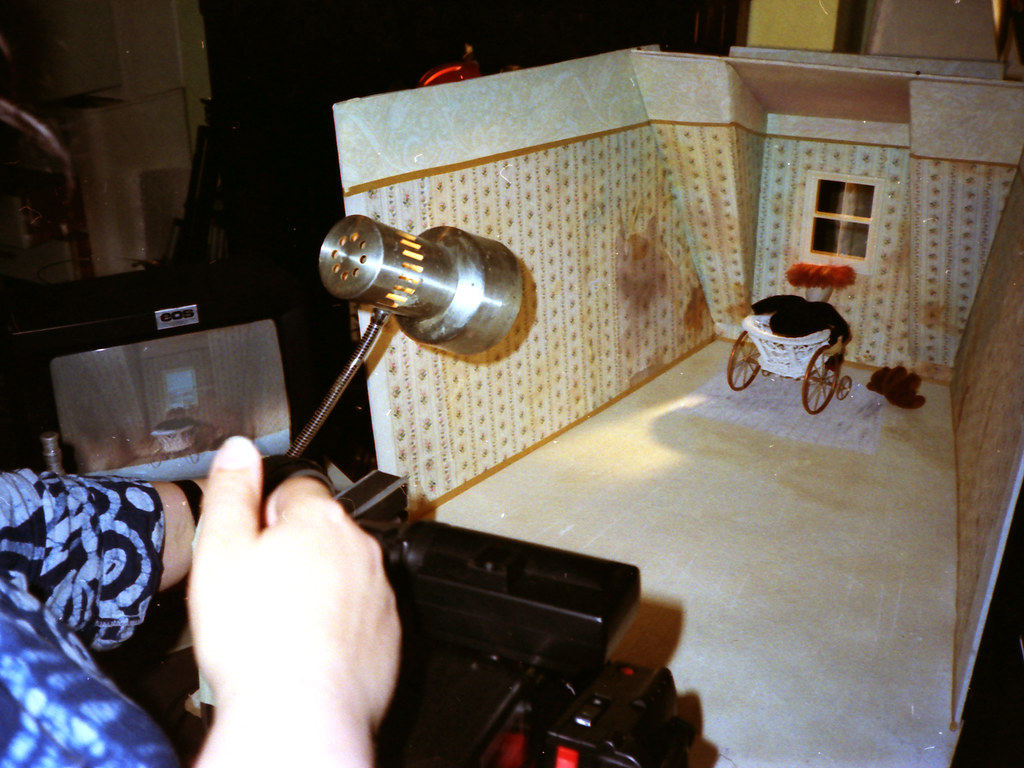
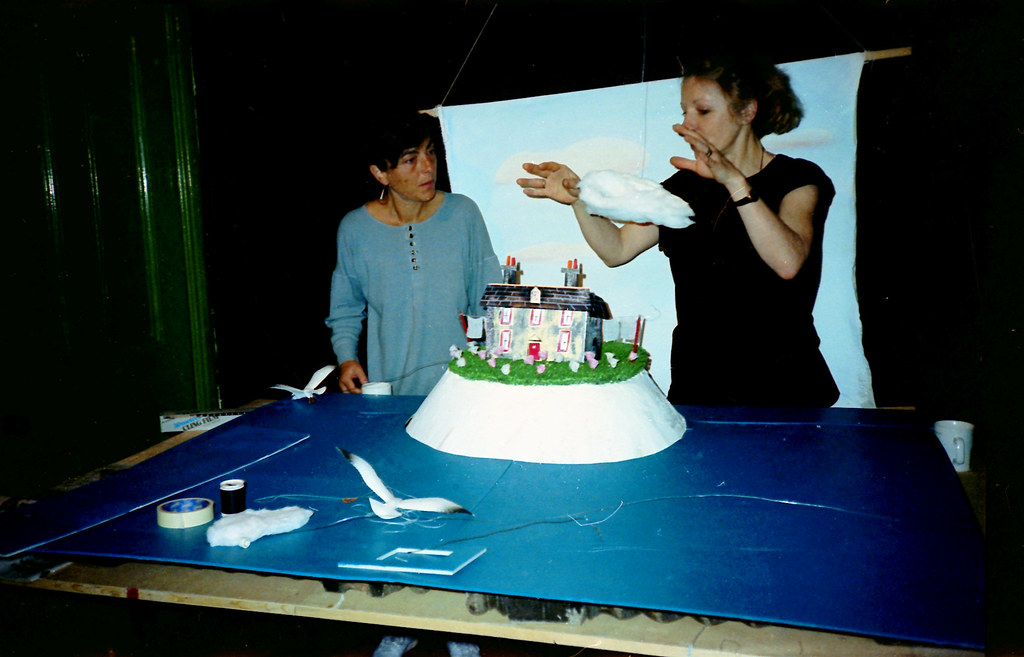
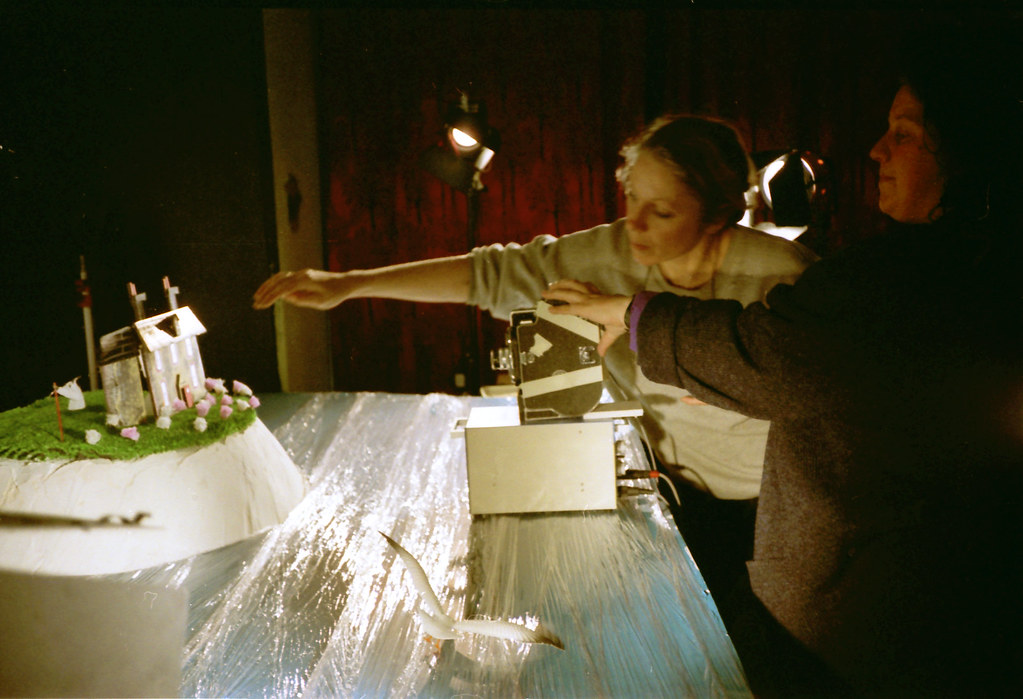
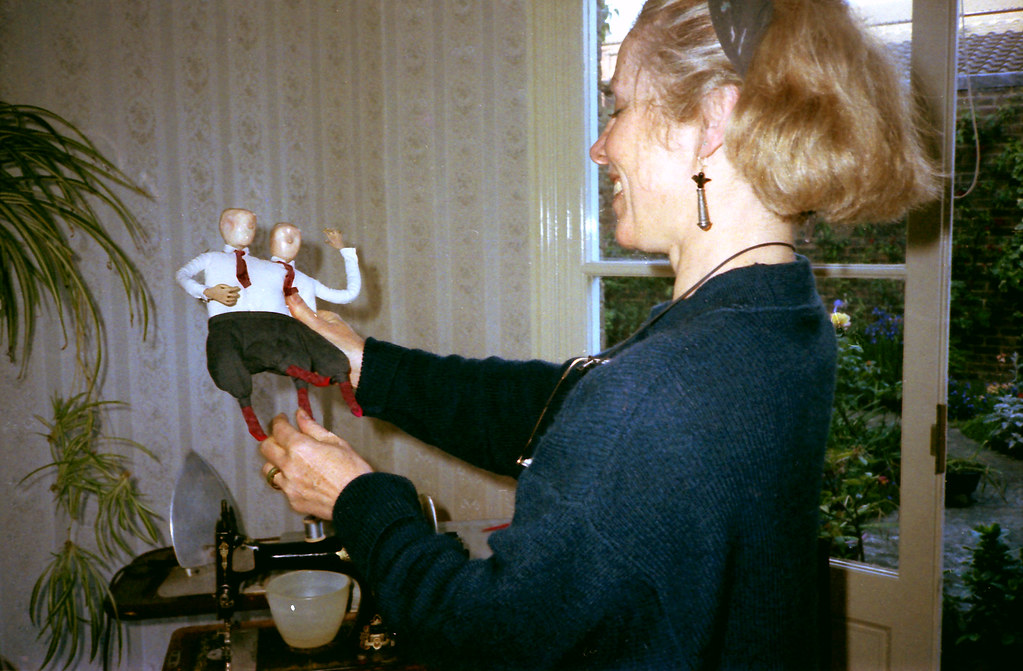
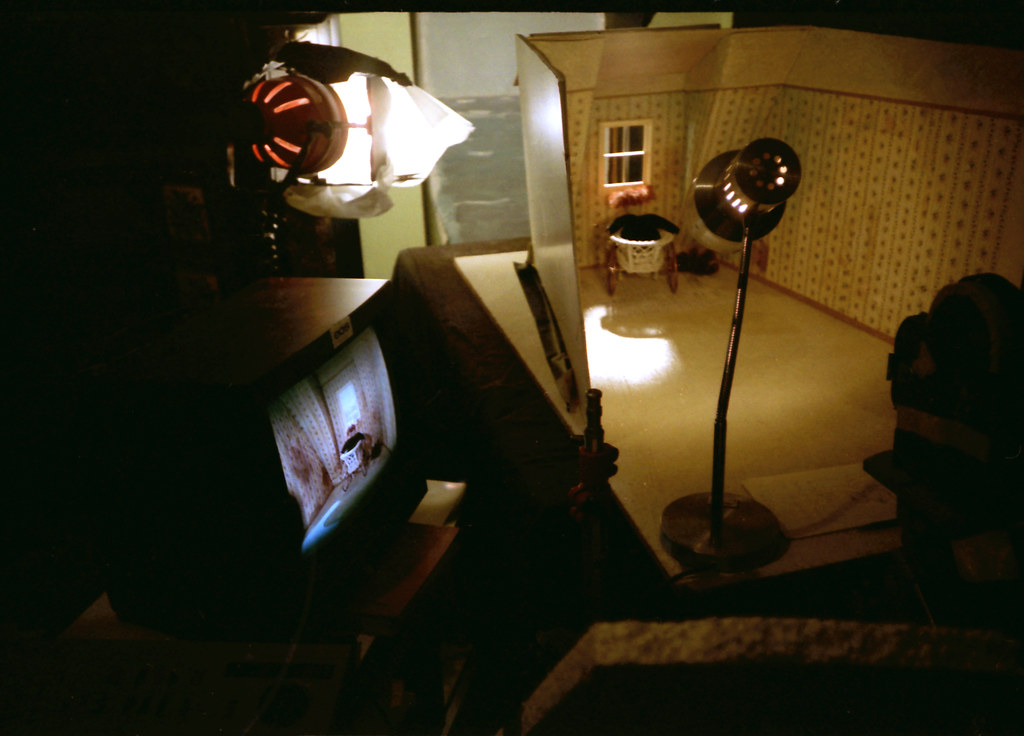
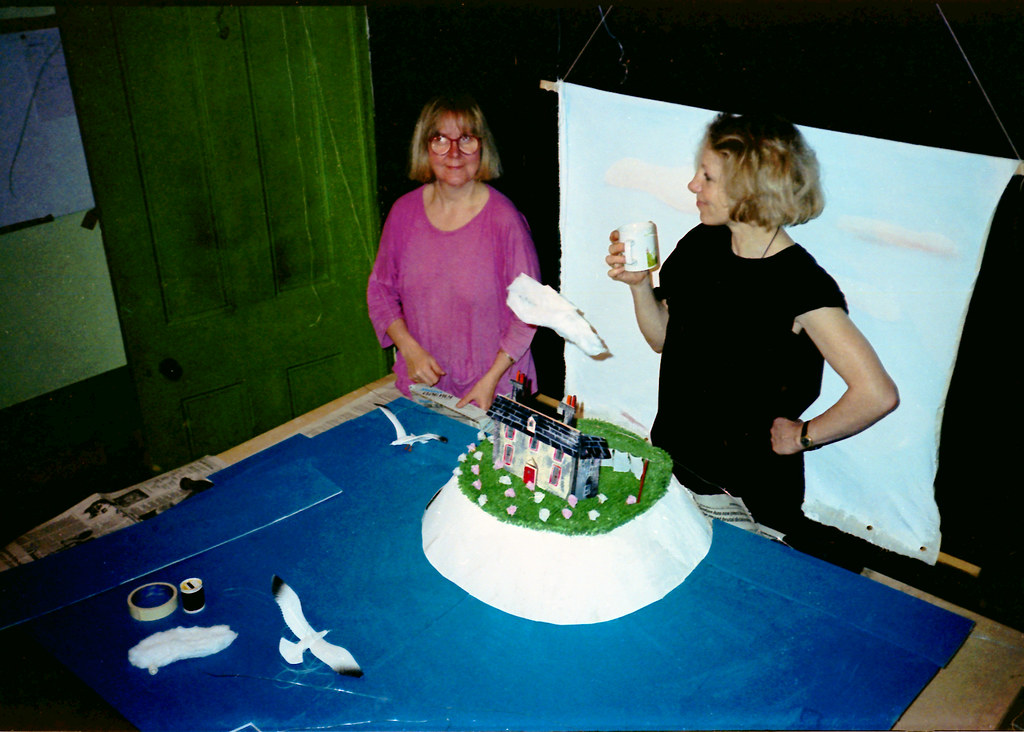
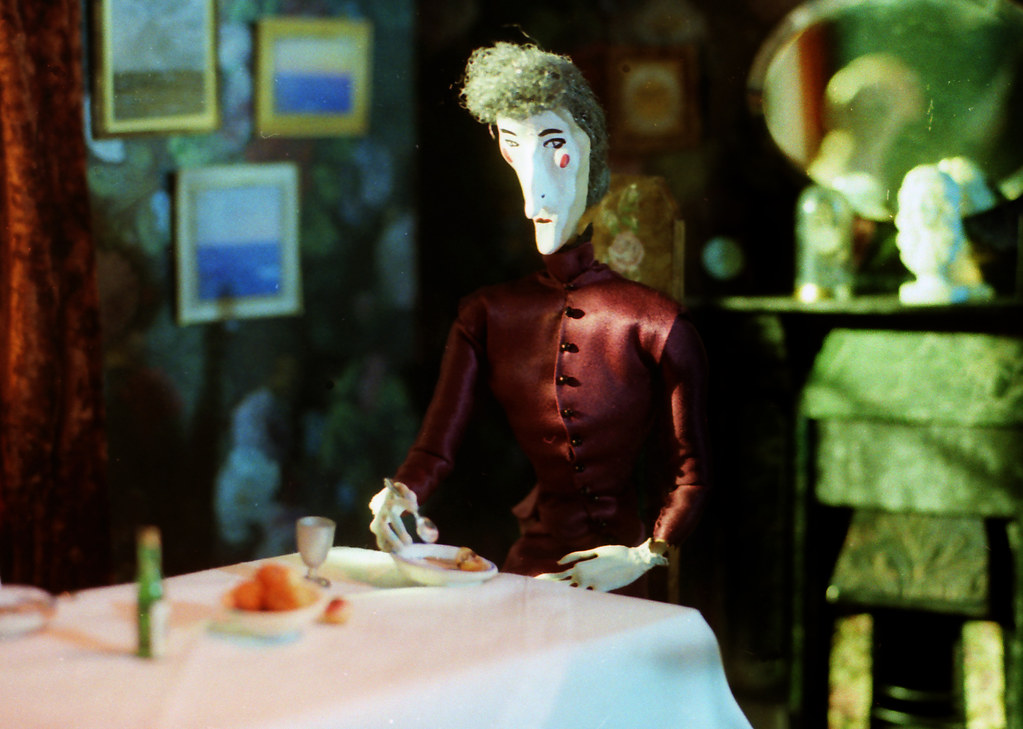
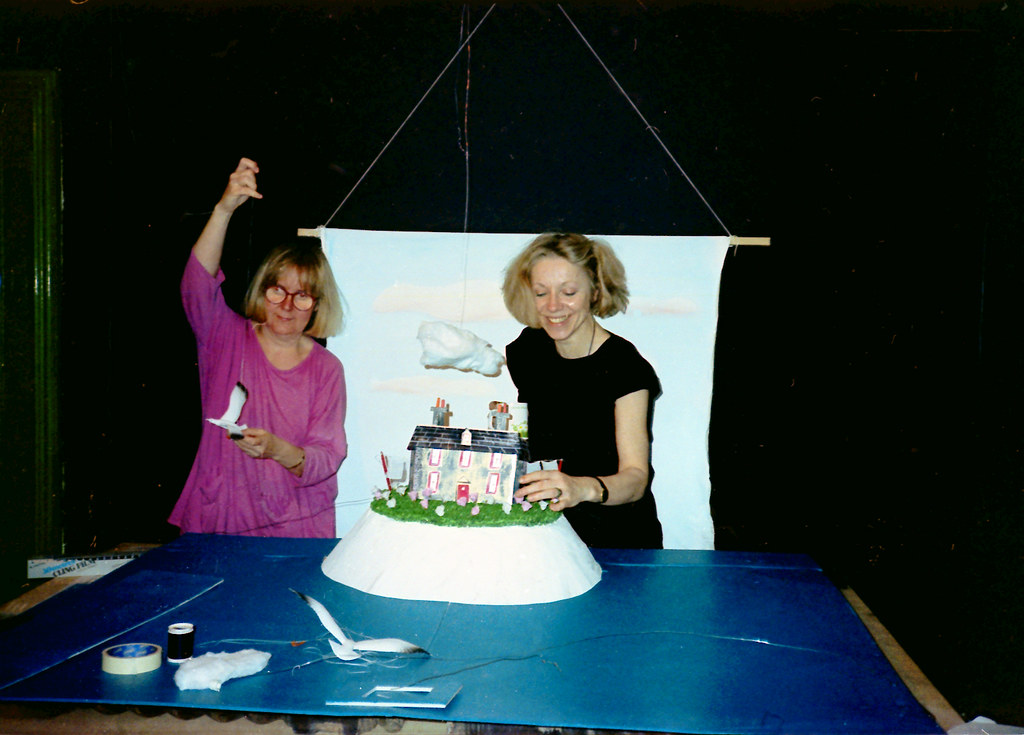
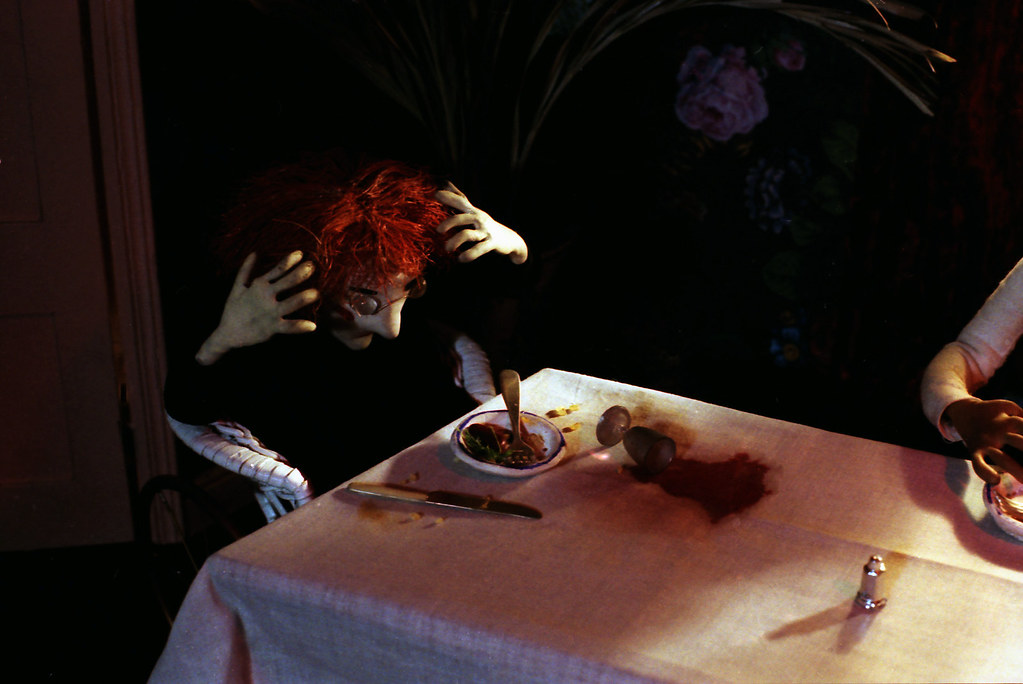
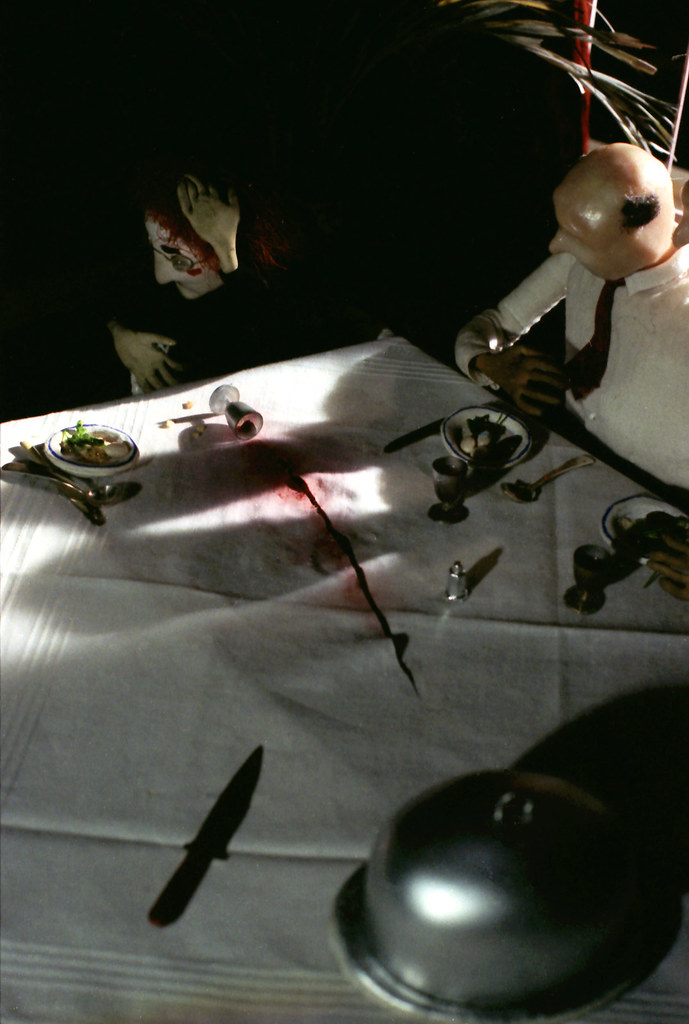
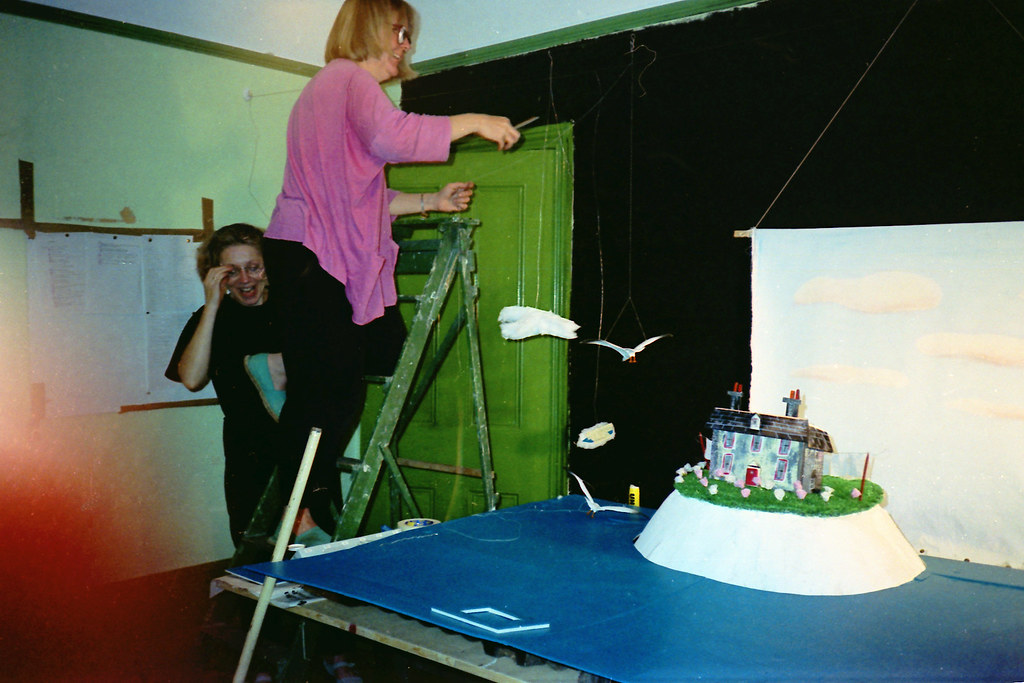
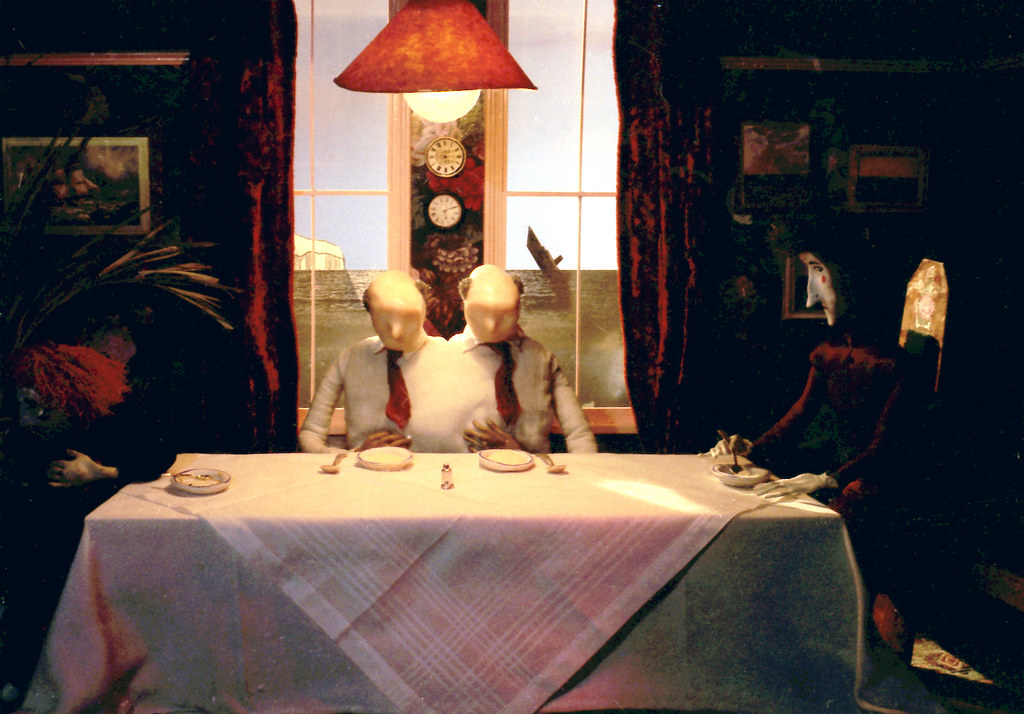
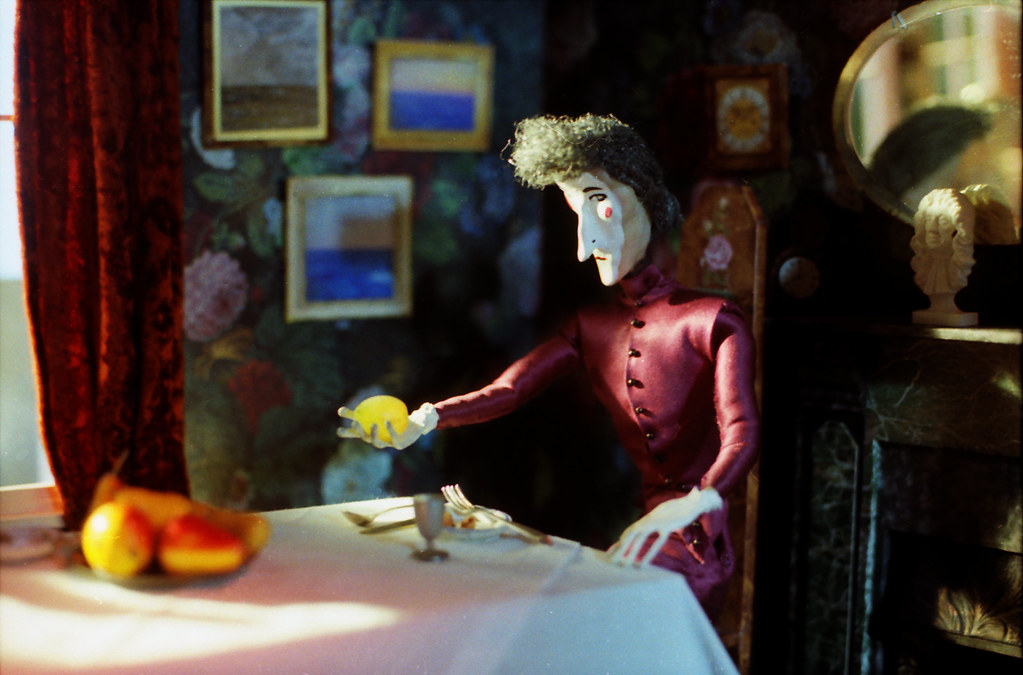
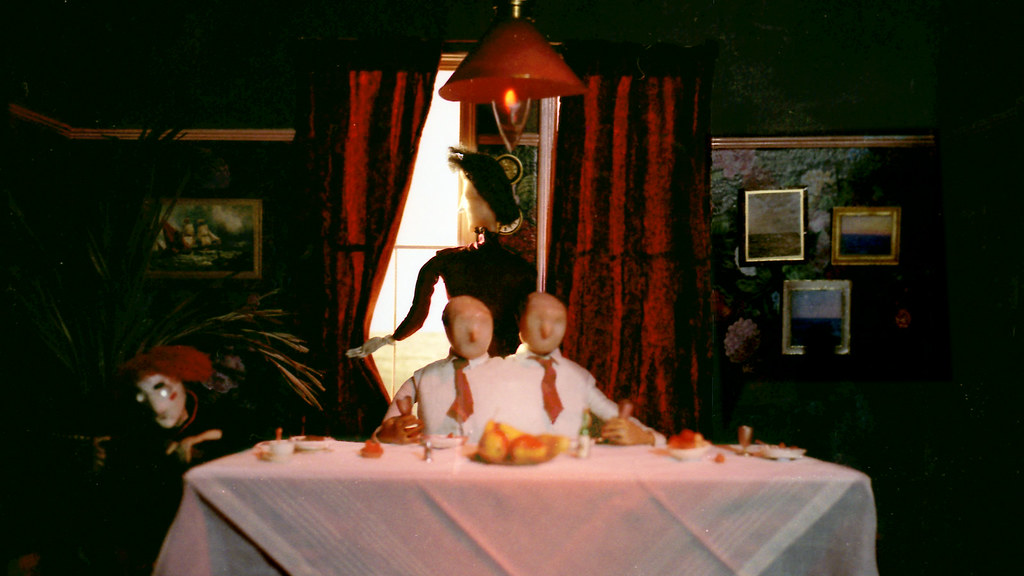
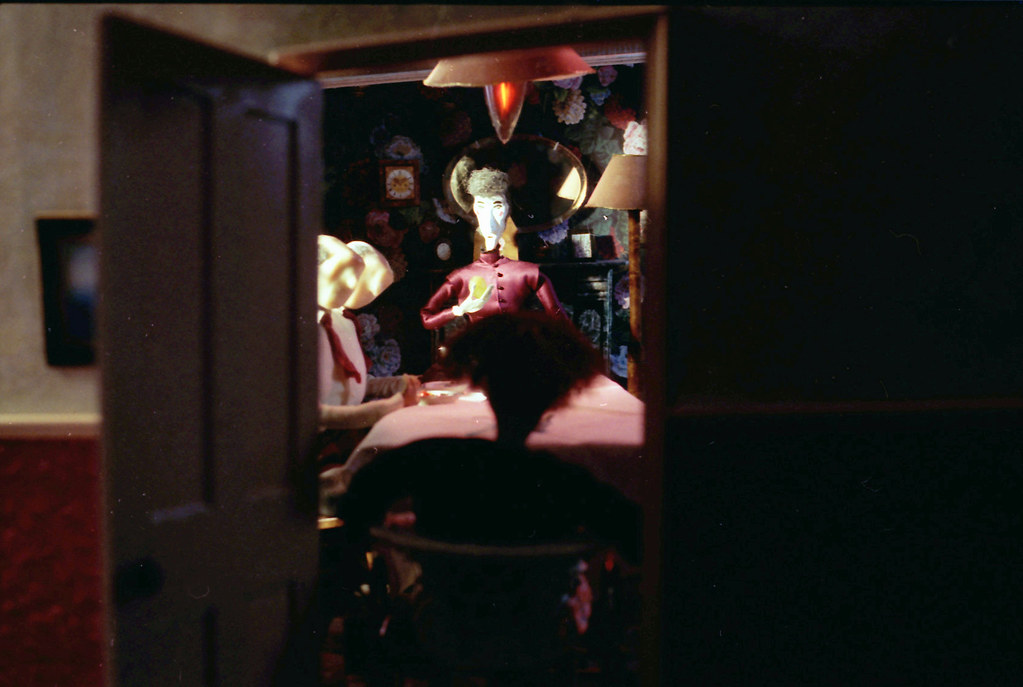
Triggered by an actual news item about suicidal octogenarian twins, The Stain is a dark, domestic thriller which uses drawn, puppet, pixilation and live-action animation styles to spin a claustrophobic web of incest and intrigue.
An examination of incest and sex abuse within the nuclear family. … The Freudian ability of animators deftly to display the motives behind the mask is one of the great strengths of the form. Animation can handle difficult delicate topics with extraordinary lightness and perception.
Jeanette Winterson, Sight and Sound, October 1992
An imaginative animated fable about the benefits of family life: envy, incest, murder. With all the sinister simplicity of a tale by Edward Gorey, it is exactly the sort of thing that distributors should be picking up as support for their new features.
Waldo Lydecker, Time Out, 31 July 1991
This is a kind of crusade for me. From the very moment I discovered animation, I sensed that it could deal with life's complex issues and be more powerful in it than live action. We receive animation differently. By not being real, animation can seduce the viewer to look at something he rather does not, and reach beyond the eyes, directly to the emotions of the viewer.
Some Protection, The Stain: Paul Wells, Understanding Animation1998, Routledge. Some Protection is the worked example of the documentary tendency in animation (page 27): the film "documents the deep anxiety of Josie O'Dwyer, using her own troubled recollections of abuse, petty crime and the brutalities of imprisonment, and effectively shows the perception of reality as it is experienced by O'Dwyer. Arguably, this is a more truthful reality and one which is only possible to document in animation." The Stain appears in the chapter on the feminine aesthetic (page 199). The book spells her name Rimmenen throughout, index included
I'm not a Feminist, but…, Some Protection, The Stain: Jayne Pilling (ed.), Women and Animation: A Compendium1992, British Film Institute. A three-page profile (pages 37 to 40) on the making of I'm not a Feminist, but… with Christine Roche, on Some Protection, and on The Stain, of which Pilling writes: "it's rare to meet someone who's seen The Stain who hasn't been, quite simply, knocked out by it"; plus a filmography entry. The source of several quotations on this site
The Stain: Jayne Pilling (ed.), Animating the Unconscious: Desire, Sexuality and Animation2012, Wallflower Press. Three pieces on the film: Karen Beckman's essay Mixing Memory and Desire (pages 187 to 192), which finds that "Rimminen and Roche draw on animation's capacity to exceed live-action's depiction of the world as it is to depict the possibility that deformation might mutate into transformation"; interviews with Marjut Rimminen and Christine Roche (193 to 198); and Roche's sketchbooks (199 to 207). Ruth Hayes returns to the film on page 216. Reviewed by Ben Mitchell in Skwigly
The Stain: Stephen Holden, Animated Inventiveness21 January 1994, The New York Times, reviewing The 24th International Tournée of Animation at the Angelika Film Center, where The Stain was the longest film: "Created by Marjut Rimminen and Christine Roche, The Stain tells a troubled family history from the dual perspective of identical twins. Its characters and images, although inventive, lack the psychological resonance to bring to life a fable that has an abrupt and shocking ending." Reprinted in The New York Times Film Reviews, 1993–1994
Some Protection, The Stain, Many Happy Returns, Mixed Feelings: Clare Kitson, British Animation: The Channel 4 Factor2008, Parliament Hill Books, the history of the channel's animation commissioning: of the Blind Justice series, "the final film, Some Protection by Marjut Rimminen, would attract the most accolades"; The Stain was "brought to the channel by two of the Blind Justice team"; Mixed Feelings and the credits of Many Happy Returns; a photograph of Marjut at Fantoche with its Grand Prix (page 165)
The Stain: Hannah Hamad, Feminist narratives2025, in The Encyclopaedia of Animation Studies, volume 4, Bloomsbury: the film as a dark narrative of patriarchal domestic violence and family trauma told in the mode of the fairytale
The Stain, Some Protection: Sight and SoundOctober 1992, Jeanette Winterson's review of the year's shorts ("Two of the best shorts, The Stain…"), and a full entry on The Stain in the November 1992 issue for its BFI and Connoisseur video release; The Times, 17 August 1993, listing both films for television
Listed in: The British Edge (1987); British National Film and Video Catalogue (1989); The Illusion of Life: Essays on Animation (1991); Arrows of Desire: New Directions in British Film and Video (1993); The British Cinema Source Book (1995, the BFI's viewing copies of Some Protection and The Stain); Film, Video and Multimedia Guide (1997); The Complete Index to British Sound Film Since 1928 and the Facets Video Encyclopedia (1999); Kino plus (2002); Directory of World Cinema: Finland (2012); and the Finnish periodical index, the Art Index, the Humanities Index and the International Index to Film Periodicals