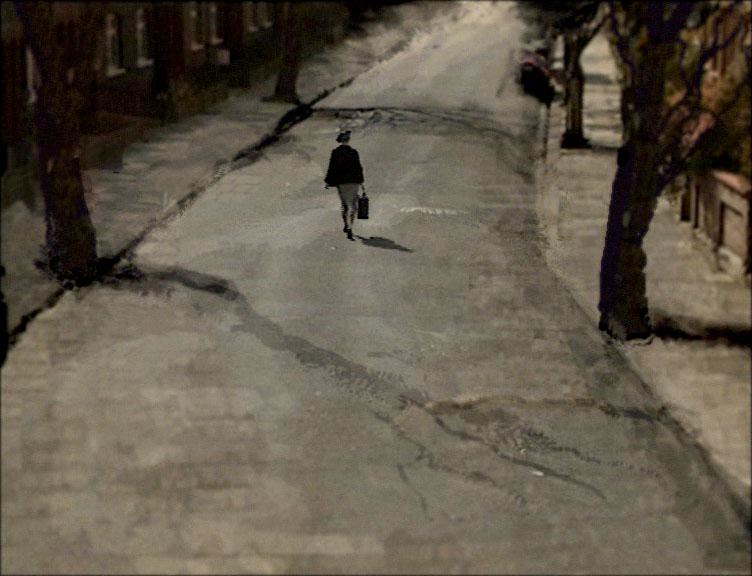
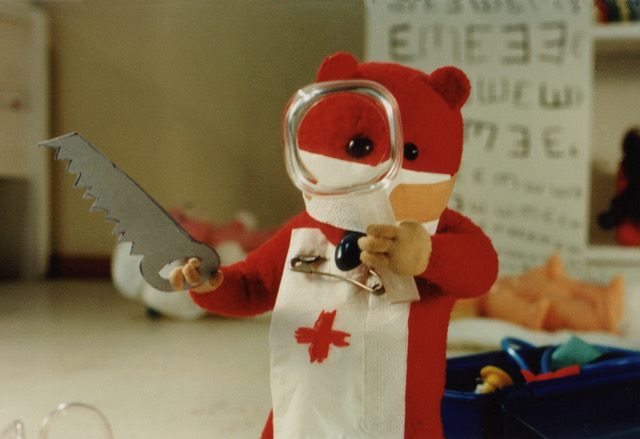

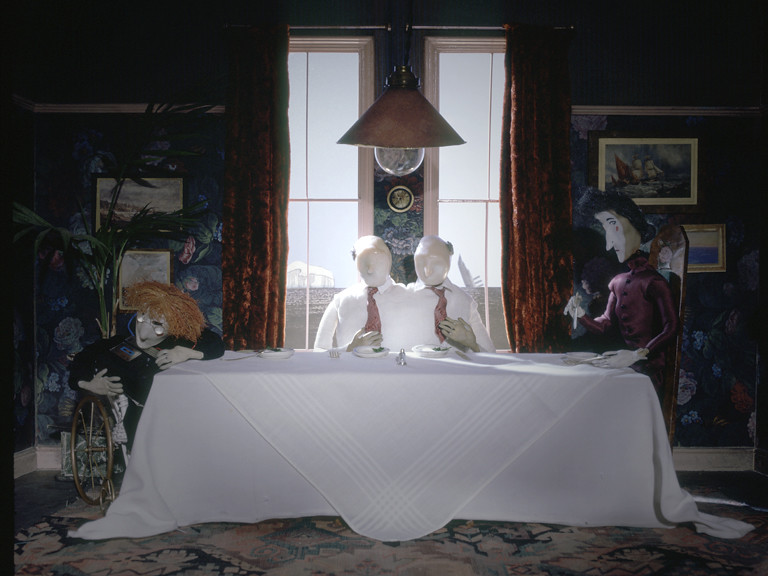
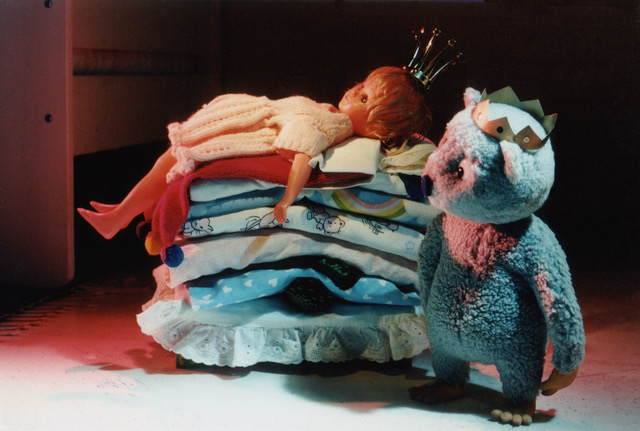



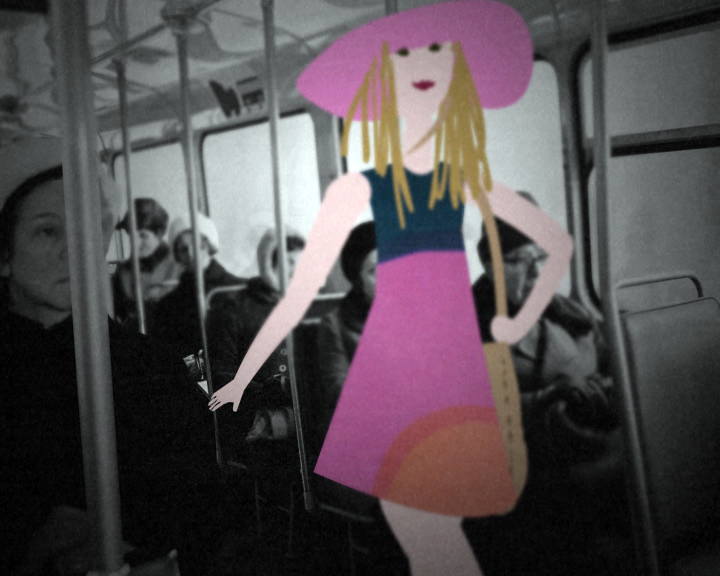
Finnish-born artist, director, animator and illustrator, based in London since 1974. A master of the short film, of animated commercials and of advertising creative. She has won the Grand Prix at Tampere and special jury prizes at Hiroshima and San Francisco, with retrospectives across Europe. She teaches masterclasses in animation direction.
Her subjects are taken from life, and often difficult. The psyche and how childhood shapes adulthood, the lives of women and girls, the silences of family life, and the aftermath of war in ordinary homes. She handles them with lightness, play and dark humour. Her animation reaches inside experiences and emotions that live action cannot.
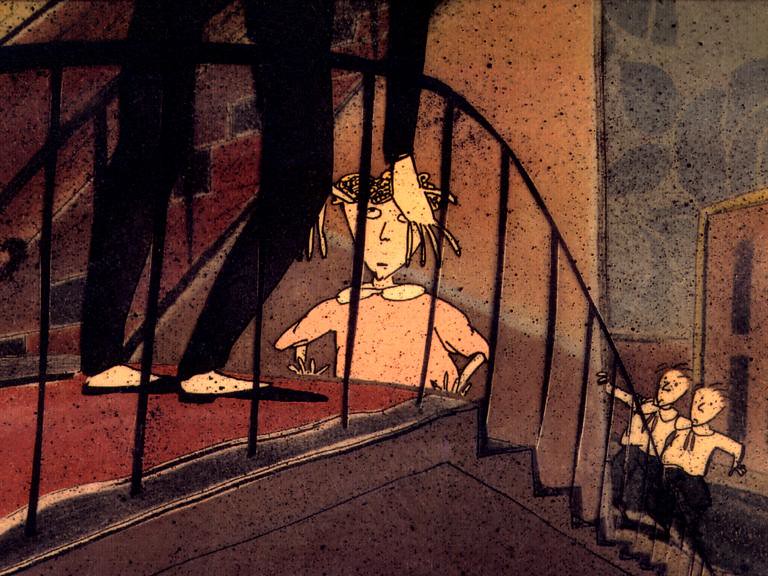
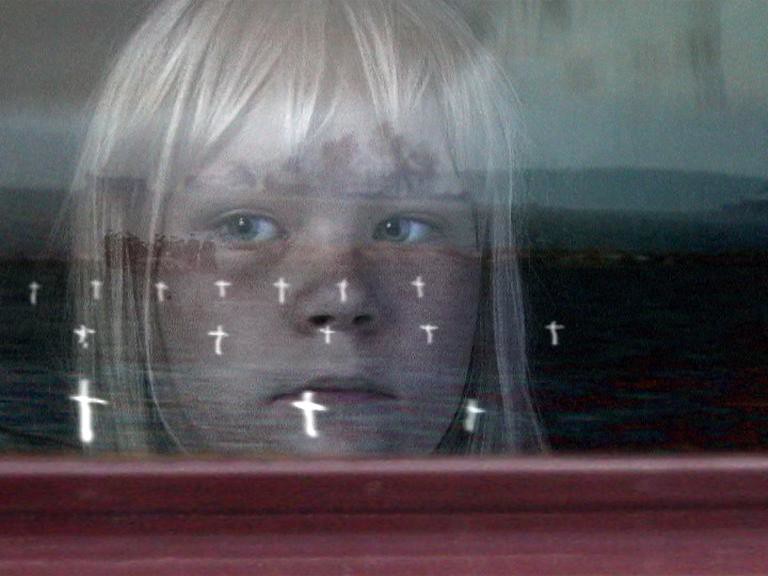
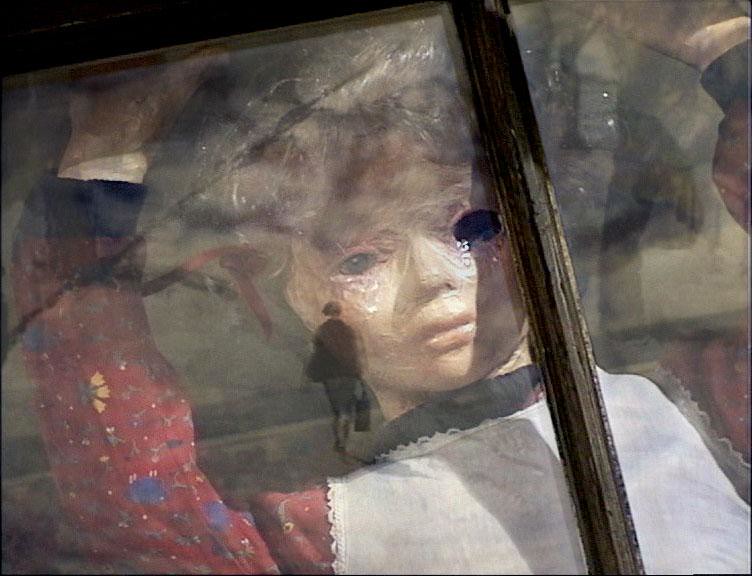
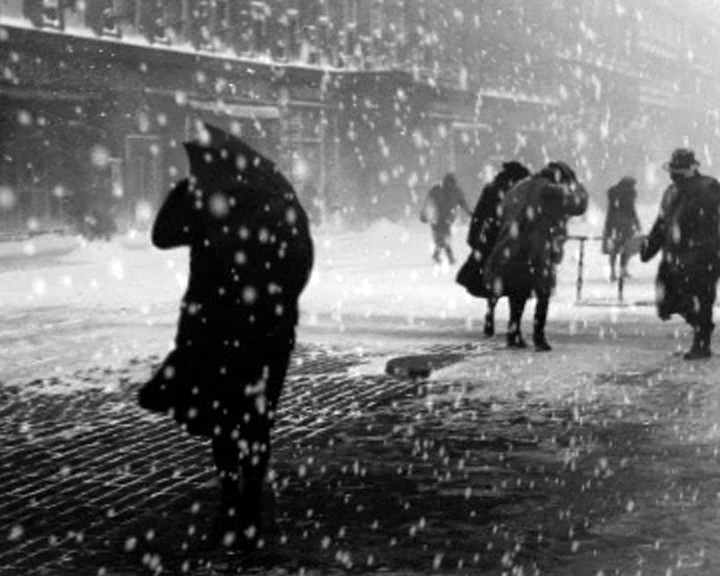
Rimminen directs and makes, and treats material, medium, story and craft with equal weight. Illustration and live action, drawn cel, puppets, clay, collage, pixilation, 3D, CGI and digital composites live alongside one another, and often in the same frame.
About
Finland 1944 · London since 1974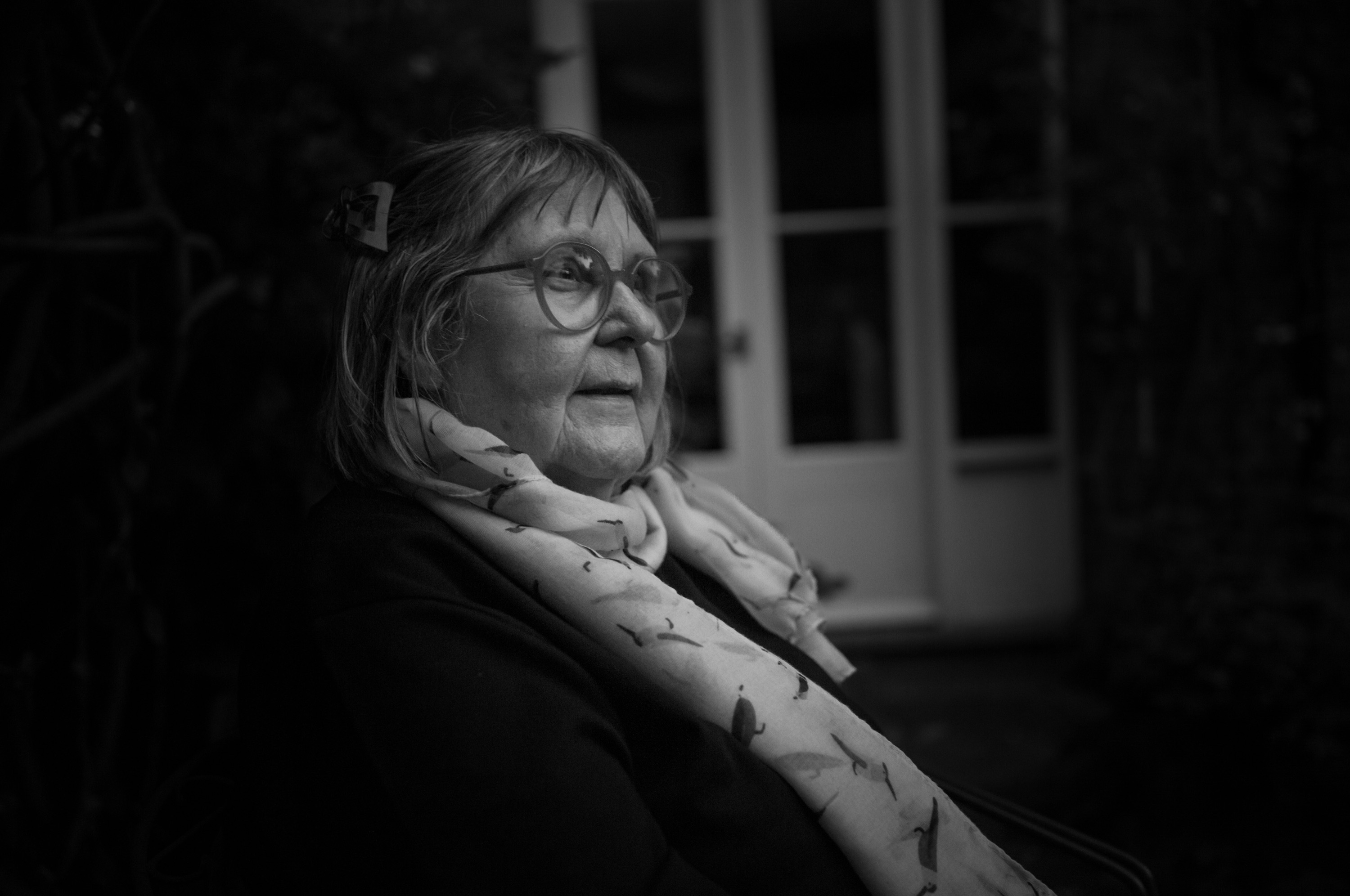
Marjut studied graphic design at the Helsinki College of Applied Arts, graduating in 1966. She began working as an advertising art director and helped establish Womena with Kirsti Paakkanen in 1968. She started making animated television commercials, one of which was named Best Animated Commercial at the 1972 Animafest Zagreb. At Annecy in 1973, Lee Mishkin invited her to work at Halas and Batchelor in London. She then joined the studio, where she worked from November 1974 to January 1975, and has lived and worked in London ever since.
She works in illustration, drawn cel, puppet, clay and pixilated animation, 3D and CGI, vector, and digital compositing, often combining several in a single sequence. The Stain and Many Happy Returns are the most layered.
Her 1972 packaging design, the Hellä Mietonen shampoo bottle, is in the collection of the Museum of Modern Art. Her artwork has been shown at the West Surrey College of Art and Design in Guildford, the Neal Street Gallery in London and Kettle’s Yard in Cambridge.
In 1998 she received a one-year artist grant from Finland’s State Film Arts Council. In 2003 she received a London Artists Film and Video Development award for her proposal Smiling Eyes, Smiling Lies.
Her short films and commercials have screened at festivals around the world, and she has sat on numerous juries. She teaches animation direction at the National Film and Television School and Aalto University in Helsinki, and has taught at the Royal College of Art and the Institute of Art and Design in Surrey. She still gives masterclasses and workshops internationally.
Her teaching took her between Britain and Finland. She led animation workshops at the Helsinki Institute of Applied Art in 1983–1985 and taught part-time at the Surrey Institute of Art and Design in Farnham from 1989 to 1995. She became a regular animation tutor at the National Film and Television School in 1993, and a senior tutor in 1998. Back in Helsinki, her workshops at TAVI and Stadia between 1998 and 2004 ranged from animation basics to developing children’s cinema and working with Flash.
Alongside this regular teaching, she gave masterclasses in Bristol in 1987, at the Institute of Contemporary Art in London in 1993, in Hamburg in 1996 and in Turku in 2002, as well as occasional lectures at art schools across Britain and Finland. In Krakow in 2001 she joined the teaching team at Jerzy Kucia’s international workshop. She also helped assess graduating animators’ work as an external assessor at the Royal College of Art in 1990 and the Turku Arts Academy in 2001.
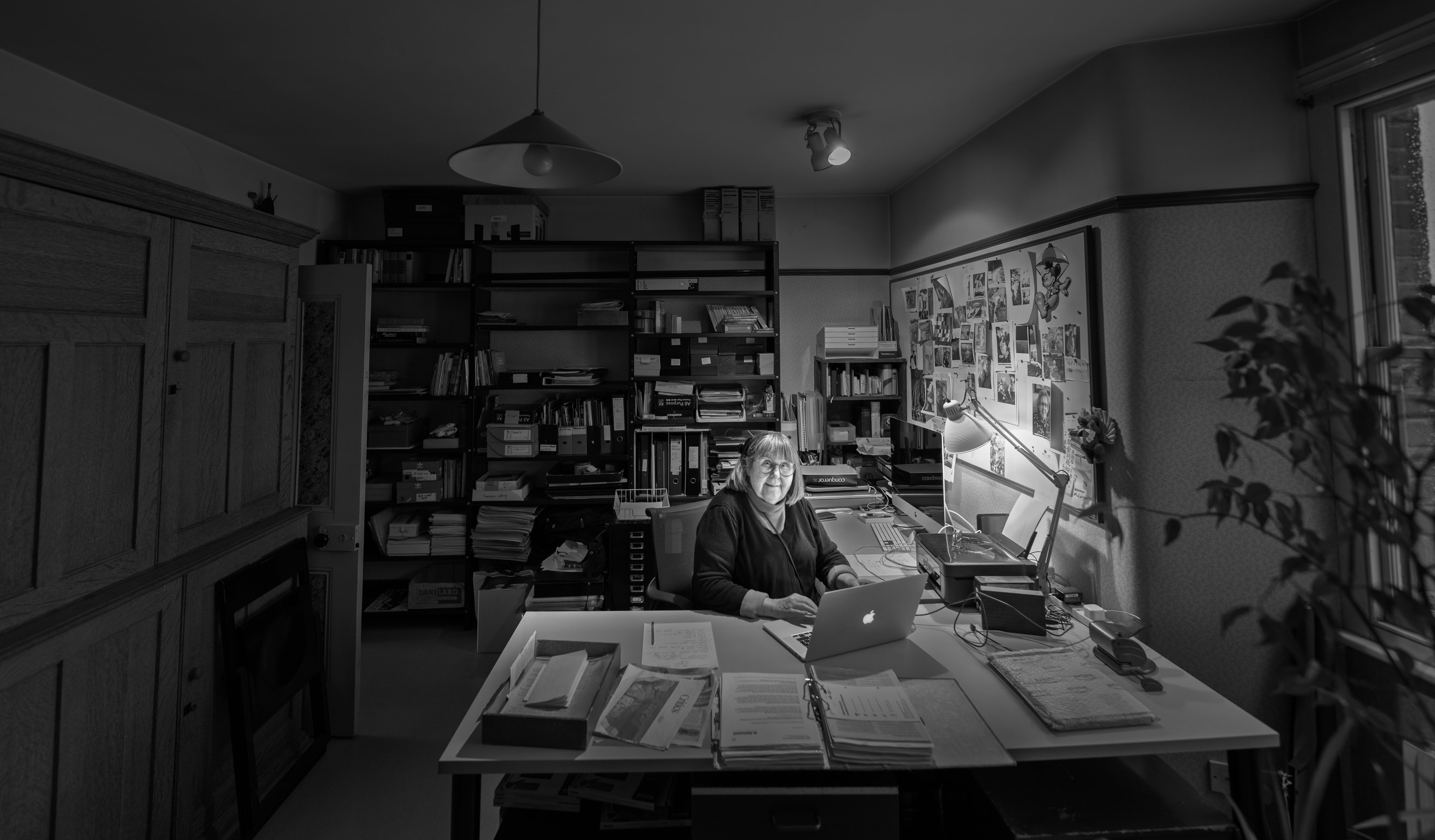
Retrospectives of her work have been held at the Tampere Film Festival and Stuttgart Trickfilm Festival (both 1998), Animerte Dager in Norway (1999), and Tricky Women in Vienna (2008).
She has served on international festival juries, often alongside a retrospective of her films. The juries, retrospectives, awards and screenings are listed together.
Her husband, British animation producer Dick Arnall (1944–2007), worked with her on many of the films through his company Finetake. Their son Timo Arnall was the VFX supervisor on most of their later work. While making Many Happy Returns for Channel 4, Marjut started her own company, Tricky Films Ltd, in 1995 or 1996. Her commercial work has its own home at Tricky Films.
The child in me will always remain Finnish.
Marjut Rimminen, Kotiliesi, 4 October 1996
Marjut Rimminen is one of the most complex protagonists in the European animated film world. This is reflected in both the multitude of animation techniques and in particular the complexity of her topics. Her films often have a documentary core, but it is on the whole difficult to categorize them. After a closer inspection of the films, one notices an effective narrative technique, and rather unconventional fact, that despite the films undoubtedly are animated, they seem strangely ‘real’.
Ulrich Wegenast, Trickfilm Festival Stuttgart, April 1998
Channel 4 in the commissioning and broadcasting of new independent work have prompted the emergence of highly talented female animators … The Leeds Animation Collective, Joanna Quinn, Candy Guard, Erica Russell, Marjut Rimminen and Ruth Lingford have created a distinctly ‘feminine aesthetic’ which has challenged dominant orthodoxies not merely in British animation but in the form per se.
Paul Wells, Art of the Impossible, in Film: The Critics’ Choice, 2002
If a film is innovative in any way, it is better than a film that is just well made.
Marjut Rimminen, Marjut’s Biography, a film by Jason Elliot, 2024
Even my first film was a combination of separate pieces. I don’t know why I like this so much, just as I like to collect crappy junk and bits and bobs and turn them into something new. I seem not to want to sustain a long continuity. I like fragments. That’s just something in the nature of my psyche.
Marjut Rimminen, Edwin Carels interview, Annecy 1993
I don’t believe in happy endings, so I can’t use them. I find them mostly false. Perhaps I haven’t matured enough to see how I could change the course of these tragedies, so for the moment, tragedy is apparently just the medium I am happy with.
Marjut Rimminen, Edwin Carels interview, Annecy 1993
Get in touch
For festival and screening enquiries, teaching, masterclasses, or correspondence: